
Coin Fantasy
CiaoGames LTDCasual
4.8220.00 Reviews
- Version
- 3.5.6.2
- Installs
- 100.00K
- Age Rating
- Everyone 10+
Screenshots
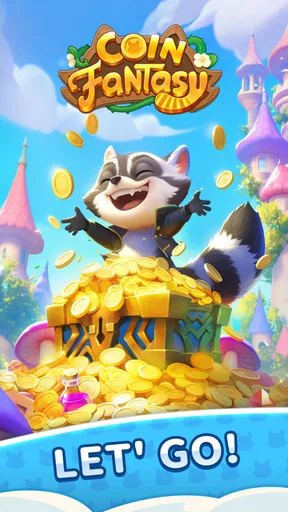
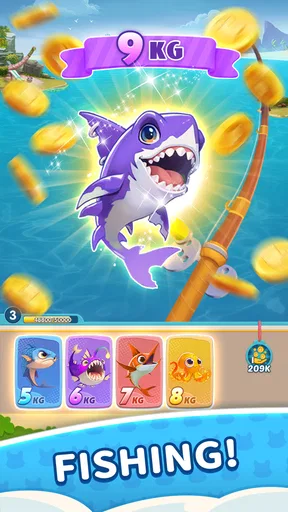
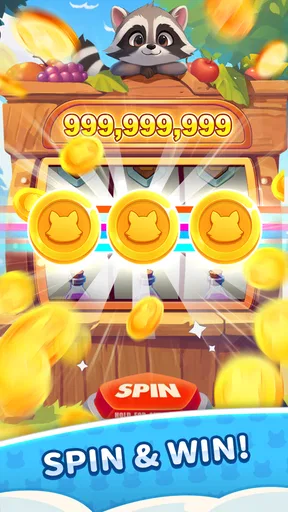
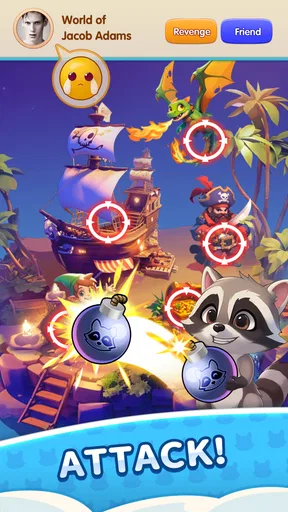
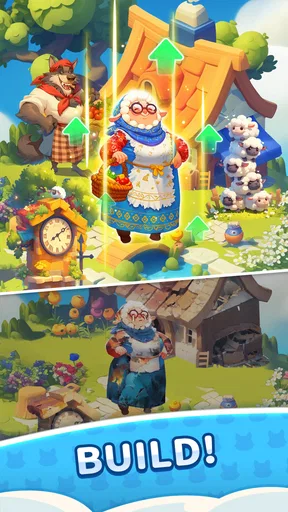

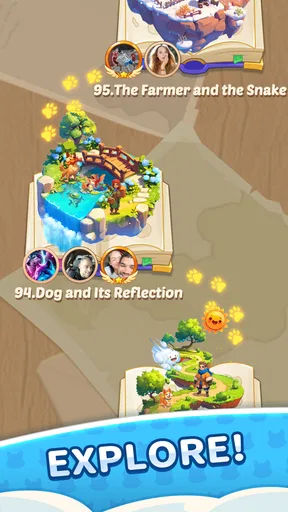
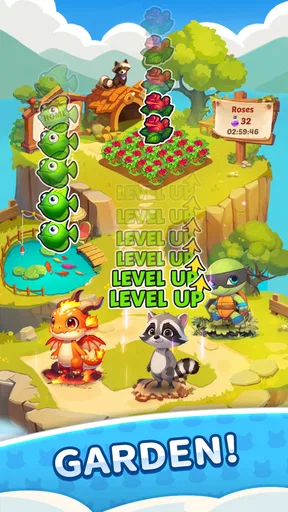
Our Review of Coin Fantasy
 Analysis by Appyee
Coin Fantasy is the kind of casual game I open when I want a short, low-pressure break rather than a long session that demands full concentration. Its basic appeal is easy to understand: spin, collect coins, and use that progress to build toward something bigger. That simple loop makes it approachable from the first tap, while the building side gives the spins a purpose beyond watching numbers rise.
I found the game most enjoyable when I treated it as a small routine instead of a challenge to finish quickly. A few minutes while waiting for a bus, taking a coffee break, or winding down in the evening is enough to make visible progress. It is free to play, sits in the casual games category, and is made by CiaoGames LTD. The age rating is Everyone 10+, so it is aimed at a broad audience, although younger players may still need guidance around optional purchases.
What the first session feels like
The opening experience is built around understanding the relationship between spinning and building. The spin is the immediate action, but the build is where the longer-term motivation comes from. I recommend resisting the urge to tap through everything as quickly as possible. Instead, watch what each reward changes and notice which actions move your progress forward most efficiently.
The store summary, “Spin, Build, Master the Game!”, captures the rhythm without explaining the small decisions that make the loop more satisfying. In practice, I see it as a light management game wrapped in a familiar coin-spinning format. You are not required to learn complicated controls, but you do benefit from paying attention to when a reward is useful and when it is better saved for a later improvement.
That distinction matters because casual games often feel generous during the first few minutes and then become less interesting once the initial novelty fades. Coin Fantasy has a better chance of holding my attention when I use its building progress as a personal target. For example, I might decide to complete one upgrade before closing the game, rather than spinning without a clear aim.
Installing it and getting oriented
The game supports Android devices running version 7.1 or later, which makes it accessible on many older phones as well as newer models. It was released on October 29, 2024, and the current version is 3.5.6.2. Those details are useful when deciding whether an older device is likely to be suitable, but the more important first impression is how quickly the main loop becomes readable.
After installing, I would begin by identifying three things: where the spin action is located, where the current coin balance is displayed, and where building or progression choices appear. Learning those areas early prevents the common mistake of tapping around without knowing whether a reward has actually been used. The interface is easier to enjoy once I stop treating every screen as a separate feature and see it as part of one cycle.
I also suggest playing the first session without spending anything. The game is free, and the optional in-app purchases range from $0.99 to $169.99 per item. That is a wide range, so a new player should first discover whether the basic loop is enjoyable on its own. Waiting gives you a clearer idea of what progress feels like naturally and helps avoid buying something simply because a prompt appears at an exciting moment.
How I approach the first meaningful success
For a first-time player, a meaningful success is not merely completing a spin. It is using the result to make a visible improvement. I would play the opening rounds slowly, collect the available rewards, and then check the building area before spinning again. This simple habit connects the short-term action with the longer-term goal and makes the game feel less random.
A practical first-session routine looks like this:
Take a moment to identify the main spin control and the balance connected to it.
Complete the early actions without rushing through the reward information.
Open the building or progression area and look for the most immediate improvement.
Use the first useful reward where it creates visible progress rather than spending it automatically.
Close the game after reaching one small milestone, then return later with a clear next target.
This workflow is more satisfying than endlessly repeating the first action. It also gives you a quick answer to the most important question: do you enjoy the connection between chance-based rewards and gradual construction? If yes, the game has a reasonable foundation for regular short sessions. If no, additional spins are unlikely to change your opinion.
One useful tip is to think in terms of conversion rather than accumulation. A large coin balance can feel rewarding, but the real test is what that balance lets you build or improve. I pay attention to the point at which saving more coins stops feeling meaningful. That helps me avoid playing on autopilot and makes each return session feel intentional.
Where new players may become confused
The biggest potential source of confusion is the difference between receiving a reward and making progress. A spin may feel successful because it produces coins, but those coins only matter when they support the next building decision. If you find yourself collecting without knowing what you are working toward, pause and look for the clearest available construction objective.
Another point worth understanding is that the game’s simplicity does not mean every choice is equally useful. New players may spend rewards as soon as they appear because the action feels productive. I prefer to check whether the purchase or improvement changes the next stage of play. If it only clears a temporary goal without helping the broader build, saving the resource can be the better choice.
Optional purchases can create another moment of hesitation. Because the price range extends from small impulse purchases to much larger individual items, I would not use spending as a way to solve uncertainty. If you do not yet understand what an item changes, wait. A purchase should support a strategy you already enjoy, not substitute for learning the game’s rhythm.
There is also a psychological trap common to spin-based games: the feeling that one more attempt will produce the result you want. I handle that by deciding in advance how long I want to play. Once I have completed my small objective, I stop. This keeps Coin Fantasy in the relaxing casual category for me instead of turning a short break into an unplanned spending or time session.
Building a routine that stays enjoyable
Coin Fantasy works best for me when I give each session a narrow purpose. One day, that might mean collecting enough resources for a particular improvement. Another day, it might simply be checking progress and completing the available actions. This approach prevents the game from becoming a repetitive demand for constant attention.
A realistic everyday scenario would be a ten-minute break between tasks. I would open the game, complete the available spins, review the building goal, and stop once I had either made an improvement or confirmed what I needed for the next one. The important part is not the length of the session; it is leaving with a sense that the time produced a clear result.
For players who enjoy planning, the building element provides more involvement than a basic tap-to-earn game. You can compare the satisfaction of immediate rewards with the patience required to work toward a larger construction goal. For players who only want instant action, the building layer may feel like an interruption. That difference is central to deciding whether this is the right casual game for you.
I would also recommend keeping expectations realistic about variety. The core pleasure comes from repeating and refining the same spin-and-build relationship, not from mastering a complex competitive system. If you normally prefer puzzle games with constantly changing rules, action games with precise controls, or story games with substantial narrative, this may feel too light.
How it compares with familiar casual alternatives
Compared with a simple idle clicker, Coin Fantasy gives the player a more visible reason to connect rewards with construction. The spin adds uncertainty, while the building goal gives that uncertainty direction. An idle game may be better if you want progress to continue with very little interaction; this one is more suitable when you want to make the key actions yourself during a short session.
Compared with a match-three game, it asks less of your attention and does not depend on solving a board under pressure. That makes it easier to play while taking a break, but it also means there is less moment-to-moment problem solving. If you enjoy finding a precise move or beating a difficult level, a puzzle alternative will probably offer more mental engagement.
Compared with a conventional city-building game, the construction side here is much more approachable. You do not need to learn a large system before seeing progress. The trade-off is depth: players looking for detailed layouts, extensive customization, or a long strategic campaign may find a dedicated builder more rewarding.
Its strongest position is between those formats. It is more goal-oriented than a bare spinner, less demanding than a puzzle, and easier to enter than a full builder. That combination is why I can recommend it to someone who wants a casual game with a little more direction than endless tapping.
Who will get the most from it
I would recommend Coin Fantasy to someone who likes compact sessions, visible progress, and simple resource decisions. It suits players who want to check in several times during the day without committing to a long campaign. It can also work for newcomers who are uncomfortable with complicated controls because the main loop is easy to understand through direct use.
It is less suitable for anyone who dislikes chance-based mechanics, even when they are presented in a relaxed way. If you need every outcome to come from skill, the spin element may feel unsatisfying. Likewise, players who prefer a completely purchase-free experience should approach carefully, because optional items are part of the game’s commercial design.
Families should also consider the age guidance and the presence of in-app purchases before handing the device to a child. The Everyone 10+ rating makes it broadly approachable, but that does not remove the need to discuss spending boundaries. I would personally disable or protect purchasing access on a shared device and let the player learn the free progression first.
Small strategies that improve the experience
My first strategy is to set a stopping point before opening the game. This sounds minor, but it changes the way the spin loop feels. Instead of chasing an uncertain result, I am completing a defined task. That makes the game calmer and helps me judge whether the reward system is genuinely entertaining.
My second strategy is to inspect the building objective before spending a newly earned resource. This is the most useful habit for avoiding waste. A reward that seems valuable in isolation may be more useful when combined with the next construction requirement. Looking ahead by one step is enough; there is no need to turn a casual game into a spreadsheet.
My third strategy is to separate curiosity from commitment. When a purchase or progression option appears, I first ask whether I understand its effect and whether it supports the way I already play. If the answer is unclear, I continue with the free loop. This keeps the decision based on enjoyment rather than impatience.
Finally, I use the current version as a reason to keep the app updated through the normal store process, especially on an older device. The game supports Android 7.1 and above, but compatibility alone does not guarantee that every phone will feel equally smooth. If the interface feels cramped or the device struggles, a larger, newer screen may make the building decisions easier to read.
My overall recommendation
After spending time with it, I see Coin Fantasy as a friendly, accessible casual game with a clear first step and a modest learning curve. Its appeal is not hidden behind complex systems: spin for rewards, turn those rewards into building progress, and return when you want another short session. That clarity makes it reassuring for first-time players.
The game has also attracted a strong response, with a 4.8 average from around 12 thousand ratings and more than 100 thousand installs. Those figures suggest that the basic formula connects with a substantial audience, although popularity should not replace your own test of whether the loop feels satisfying.
I would start with the free experience, complete a few building goals, and decide based on how much you enjoy the routine. Do not buy anything until you understand what it contributes, and do not feel pressured to keep spinning after your session has achieved its purpose. The best way to enjoy Coin Fantasy is to treat progress as a small goal, not as a reason to chase every possible reward.
For me, that balance is what makes it worth recommending. It is a good pick for relaxed breaks and gradual progress, especially if you want something more directed than an idle tapper but less demanding than a puzzle or full construction game. If you want deep strategy, constant novelty, or purely skill-based outcomes, another category will serve you better. If you want a simple coin-focused game with a building loop and room for short, repeatable sessions, Coin Fantasy is an easy one to try.
Verdict
Strengths of Coin Fantasy
- Simple interface makes crypto prediction games easy for beginners.
- Practice-style gameplay can help users learn about market movements.
- Short rounds provide quick entertainment without lengthy commitments.
- Competitive elements add motivation through rankings and challenges.
- Supports a low-risk way to explore crypto concepts before trading.
Limitations of Coin Fantasy
- Crypto market data can make results feel unpredictable and frustrating.
- Rewards and available features may vary by region or account status.
- Some users may find the in-app economy difficult to understand initially.
- Requires an internet connection for live prices and game updates.
- The experience may appeal less to users seeking traditional casino games.
Other Releases by CiaoGames LTD
View All
Time Master
Casual4.7

BEAST GO
Board4.6
Similar Picks in This Category
View All
My Talking Angela
Outfit7 Limited4.2

My Talking Tom
Outfit7 Limited4.3

Pou
Zakeh4.2

My Talking Tom 2: Pet Game
Outfit7 Limited4.3

Candy Crush Saga
King4.6

Bridge Race
Supersonic Studios LTD4.1
Frequently Asked Questions
What is Coin Fantasy and how does the game work?
Coin Fantasy is a cryptocurrency-themed strategy and prediction game where players use virtual assets and market knowledge to compete in simulated investing challenges. Instead of buying real cryptocurrency directly, you typically make decisions based on changing market conditions, complete missions, and try to improve your ranking. The exact game modes, rewards, and available features may vary depending on the current version and region.
Can I earn real money or cryptocurrency by playing Coin Fantasy?
Coin Fantasy may include rewards, competitions, or blockchain-related features, but players should not assume that every in-game reward has real-world monetary value. Before investing time or money, check the official rules, withdrawal conditions, supported wallets, eligibility requirements, and any applicable fees. Cryptocurrency values can also change quickly, and some rewards may be promotional, virtual, or unavailable in certain countries.
Do I need cryptocurrency or a wallet to start playing Coin Fantasy?
Many users can begin with a basic account and virtual resources, although certain features may require connecting a compatible cryptocurrency wallet or completing additional verification. The requirements can depend on the version of the app, the selected game mode, and your location. Never share your private keys or recovery phrase with the app, its support team, or another player.
Is Coin Fantasy free to download and play?
Coin Fantasy may be free to download, but free access does not necessarily mean that every feature is free. The app can include optional purchases, entry fees, premium content, transaction costs, or other charges connected with competitions and blockchain services. Review the store listing and in-app payment information carefully, and set a spending limit before using any paid feature.
Is Coin Fantasy safe for beginners and what should I check before downloading it?
Coin Fantasy can be approachable for users interested in learning about market-style gameplay, but beginners should remember that simulated investing mechanics do not guarantee real trading success. Download the app only from an official store or verified source, inspect requested permissions, read the privacy policy, and confirm the developer details. Avoid unofficial APK files, suspicious links, and promises of guaranteed profits.
Play our best games!


